You’re “eating clean”. So why do you still feel like you’re getting food wrong?
 13 Reads
 3 minutes read

Instagram has made healthy eating look simple. Your body may have a very different opinion.
By Dt. Kanikka Malhotra
No sugar. No carbs. Gluten-free. Detox water. Protein everything.
Scroll through Instagram for five minutes and you could start believing that eating well means following a perfectly curated list of foods — and avoiding everything else.
So, you try.
You swap your regular breakfast for a “clean” one. You stop eating rice because someone said carbs are bad. You buy expensive “healthy” snacks. You feel guilty about ordering your favourite food. And then, somewhere between the green smoothie and the 10 pm craving, you start wondering:
“Am I actually eating healthy — or am I just trying very hard to look like I am?”
Welcome to the confusing world of diet culture.
“But it looks healthy on Instagram…”
That’s the problem.
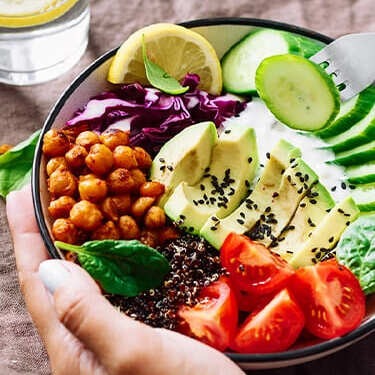
A beautifully photographed bowl doesn’t come with your medical history, your lifestyle, your nutritional requirements or your body’s individual needs.
One person’s “perfect breakfast” may be completely unsuitable for another.
And the word “clean” itself can be misleading.
Food isn’t morally clean or dirty.
A homemade meal isn’t automatically healthier simply because it looks wholesome, and a food doesn’t become unhealthy just because it doesn’t appear in an influencer’s morning routine.
Nutrition is not a popularity contest.
Your body needs a balance of nutrients — including protein, carbohydrates, healthy fats, fibre, vitamins, minerals and adequate fluids. How much you need depends on several factors, including your age, activity, health and lifestyle.
The biggest diet mistake may be trying to eat perfectly
Here’s what happens when every meal becomes a test you have to pass.
You eat “perfectly” all day. Then you crave something sweet at night. You eat it. And suddenly you feel you’ve “ruined” your diet.
So tomorrow, you decide to be even stricter. That cycle can turn food into a source of anxiety rather than nourishment.
Healthy eating doesn’t have to mean perfect eating.
It has to mean eating in a way that is balanced, practical and sustainable. If your diet works only when you have unlimited time, a fully stocked kitchen and zero social life, it may not be a very useful diet.
So, what does “eating right” actually look like?
It can be surprisingly ordinary.
A balanced home-cooked meal. A portion of vegetables. A protein source. A sensible amount of carbohydrate. Fruit. Water. Occasional food simply because you enjoy it. No detox required. No food guilt required. No Instagram approval required.
This is particularly worth remembering during National Nutrition Week, observed from 1–7 September, when conversations around nutrition rightly take centre stage. Perhaps this year, the conversation should move beyond “good foods” and “bad foods”.
Instead, ask:
Is my diet nourishing me? Can I sustain it? Does it fit my real life? Am I eating enough variety?
And perhaps the most important question:
Am I following advice because it is evidence-based — or because it has 500,000 likes?
Your Instagram feed can inspire you.
It shouldn’t be your dietician.
Because eating right was never supposed to mean eating perfectly.
It was supposed to mean eating well enough, consistently enough, to support the life you actually live.
Nutrition needs are individual. If you have a medical condition, specific dietary requirements, or concerns about your diet, seek personalised advice from a qualified dietician or healthcare professional.
(The author is Lead – Corporate Health Wellness & Workforce Health Transformation, Dietetics & Nutrition at Pacific OneHealth)