Act FAST: Early Stroke Symptoms That Can Save a Life
 20 Reads
 4 minutes read

Introduction
A stroke is a medical emergency where every passing minute causes measurable brain damage. The window for the most effective treatment, whether clot-dissolving medication or mechanical clot removal, is narrow, and whether a patient reaches hospital within that window depends almost entirely on whether the people around them recognised the early signs of stroke and acted without delay. Stroke is one of those conditions where public awareness literally saves lives, not in a vague, aspirational sense, but in a concrete, time-specific way that determines outcomes.
The FAST Framework — What It Means and Why It Works
FAST is a widely used memory tool for identifying the most common stroke signs quickly. It covers the four features present in the majority of strokes:
- Face drooping – one side of the face droops or feels numb. Ask the person to smile an uneven or one-sided smile is a sign.
- Arm weakness — one arm is weak or numb. Ask them to raise both arms — if one drifts downward, that’s the sign.
- Speech difficulty — speech is slurred, garbled, or the person is unable to speak or understand what’s being said.
- Time to call emergency services — if any of the above are present, call for emergency help immediately. Don’t drive them yourself if an ambulance can reach faster.
Understanding FAST stroke symptoms and emergency treatment is the minimum every adult should know, it is that directly useful in a crisis.
Beyond FAST : Other Stroke Symptoms That Get Missed
FAST covers the most common presentation, but strokes affecting different parts of the brain produce different symptoms. These are often less recognised and sometimes dismissed:
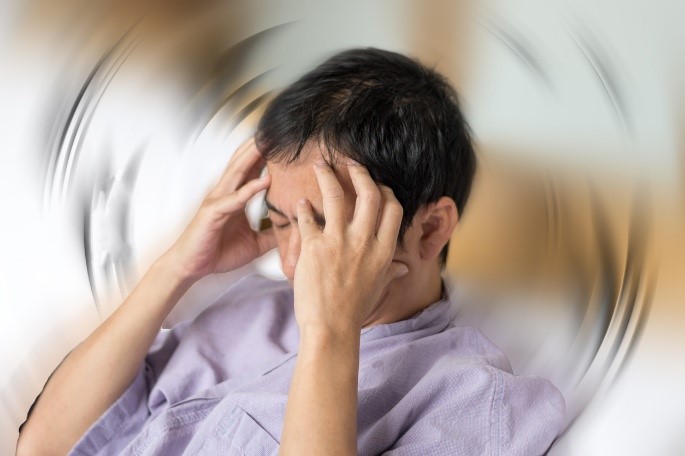
- Sudden severe headache with no obvious cause, often described as the worst headache of a person’s life
- Sudden vision loss or double vision in one or both eyes
- Sudden loss of balance, coordination, or dizziness without explanation
- Sudden confusion or difficulty understanding what others are saying rather than speaking
- Sudden numbness on one side of the body face, arm, or leg even without weakness
If any of these symptoms appear suddenly, the word “sudden” is critical in a person who was previously well, as a stroke is until proven otherwise. It should not be watched and waited on.
What Is a Transient Ischaemic Attack (TIA)?
A TIA, often called a “mini-stroke”, produces stroke symptoms that resolve completely within minutes to hours. The temptation to dismiss it as something that passed is strong and dangerous. A TIA is a warning sign that a full stroke may follow within days, particularly in the first 48 hours. Anyone who experiences and then recovers from stroke symptoms must be assessed urgently, not at a convenient time, but the same day.
Why the Time Matters So Much
Ischaemic strokes caused by a clot blocking blood flow can be treated with thrombolysis (clot-dissolving medication) within four and a half hours of symptom onset. Mechanical thrombectomy, physically removing the clot, can be effective up to twenty-four hours in selected patients. But outcomes improve significantly the earlier treatment is administered. The phrase “time is brain” is clinically accurate. Every minute of untreated stroke results in the loss of approximately two million neurones. A patient who arrives at a stroke treatment hospital in Delhi within two hours of symptom onset has dramatically better prospects than one who arrives after six hours.
Who Is at Higher Risk of Stroke?
- People with uncontrolled hypertension, the single largest modifiable risk factor
- People with atrial fibrillation, an irregular heart rhythm that promotes clot formation
- Smokers, heavy alcohol users, and people with poorly controlled diabetes
- People with high cholesterol or a history of previous TIA or stroke
- People with obstructive sleep apnoea an underrecognised stroke risk factor
Managing these risk factors actively with medication, lifestyle modification, and regular monitoring reduces stroke risk substantially. A Stroke Treatment Hospital in Delhi with a dedicated neurovascular programme can coordinate both acute treatment and preventive follow-up.
Conclusion
Knowing the signs of a stroke and acting on them immediately is one of the few genuinely life-or-death pieces of information a person can hold in their head. The outcome of a stroke is directly tied to how quickly treatment begins. If you or someone near you develops sudden facial drooping, arm weakness, speech difficulty, or any of the other symptoms described here, call for emergency help immediately and head to the best neurologist for stroke in South Delhi with a stroke-ready emergency team. Every minute saved is a brain saved.