Cervical Spondylosis: When Should You Worry?
 15 Reads
 5 minutes read

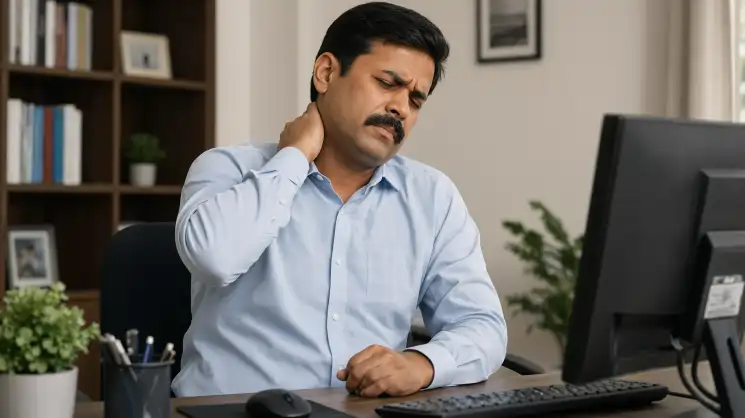
Waking up with a stiff neck after a long day hunched over a laptop is nothing unusual. But when that stiffness turns into ongoing neck pain, with tingling running down your arms or headaches that won’t quit, it might be pointing to something more specific: cervical spondylosis. With how much screen time has crept into daily life, this once “older person’s condition” is now showing up in much younger patients too. Knowing where ordinary stiffness ends and when you should see an orthopaedic doctor near Delhi can save you from a lot of unnecessary discomfort later on.
What’s Actually Going On
Cervical spondylosis is basically age-related wear and tear on the discs and joints in your neck. As we get older, the cushioning discs between vertebrae lose hydration and elasticity, and the body sometimes grows small bone spurs to try to stabilise things. This is extremely common, most people show some degree of it by their sixties, and a lot of them never feel a thing.
It becomes a real clinical concern when those changes start pressing on nearby nerves, or worse, the spinal cord itself, which is when pain, weakness, or other neurological symptoms start showing up.
Symptoms to Keep an Eye On
The common, everyday version:
- Neck stiffness and pain, often worse first thing in the morning
- Pain that flares with certain movements or after staying in one position too long
- Headaches that seem to start at the back of the head
- A grinding or popping feeling when you move your neck
- Muscle spasms around the neck and shoulders
The kind that suggests nerve or spinal cord involvement and deserves prompt attention:
- Numbness or tingling running into the shoulders, arms, or hands
- Weakness in your arms or hands, trouble gripping things
- Losing coordination or balance, especially trouble walking
- Loss of bladder or bowel control, rare, but a genuine emergency
- Sharp, shooting pain down an arm, suggesting a compressed nerve root
This distinction actually matters a lot. Everyday neck stiffness can usually be handled with fairly conservative treatment. But numbness, weakness, or coordination trouble points toward nerve or spinal cord compression, which really does need prompt specialist evaluation, not a wait-and-see approach.
What Causes It
- Natural wear and tear over the years
- Poor posture held for long stretches, especially the forward head lean from constant computer and phone use
- Repetitive neck strain from certain jobs
- Old neck injuries
- A genetic tendency toward disc degeneration
- Smoking, which speeds up disc breakdown
- Extra body weight, which puts more strain on the spine
The uptick in younger patients getting diagnosed is closely tied to hours of screen time and bad ergonomic habits, which put steady, unnatural pressure on the neck over years without anyone really noticing until symptoms show up.
Getting Diagnosed and Treated
Diagnosis usually involves:
- A physical exam checking neck movement, reflexes, and strength
- X-rays to spot bone spurs and narrowing disc spaces
- An MRI to get a detailed look at soft tissue, nerve compression, and spinal cord involvement
- CT scan for detailed bone imaging in some cases
- Nerve conduction studies if nerve damage is suspected
Most patients start with conservative treatment, which usually looks like:
- Physical therapy focused on strengthening and improving posture
- Anti-inflammatory medication for pain relief
- Cervical traction, in some cases
- Heat or cold therapy
- Adjusting activities and improving ergonomics
Neck pain treatment in Delhi may include physiotherapy, medication, ergonomic changes or other treatments depending on the cause and severity of the symptoms, which are recommended after a proper clinical evaluation.
If symptoms don’t improve, or there’s real nerve compression, treatment can escalate to:
- Corticosteroid injections to calm inflammation around compressed nerves
- Surgery, decompression or spinal fusion, reserved for cases with significant nerve or spinal cord compression that hasn’t responded to conservative care or where weakness keeps getting worse
Why the Right Specialist Matters Here
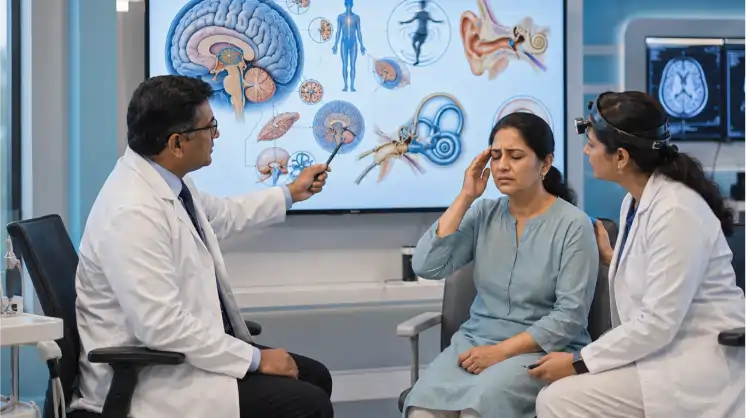
Cervical spondylosis spans a giant range, from mild stiffness all the way to real nerve compression, so getting the staging right matters, both to avoid under-treating something serious and to avoid over-treating something mild. An experienced orthopedic and best spine specialist hospital in Delhi can tell the difference between straightforward mechanical neck pain and cases where nerve involvement means things need to move faster, using a mix of clinical exam and targeted imaging.
A hospital that has good MRI access, dedicated physiotherapy, and spine surgery expertise all in one place means that if you need to move from conservative care to more advanced treatment, you won’t get delayed by shuffling between different specialists.
What Actually Helps
- Watch your posture, especially during long stretches of desk work or scrolling on your phone
- Take real breaks to stretch your neck and shoulders every 30 to 45 minutes
- Set up your workstation properly, screen at eye level
- Strengthen your neck and upper back muscles with targeted exercises
- Use a pillow that actually supports proper neck alignment while you sleep
- Don’t carry heavy bags on one shoulder for long stretches
- Get persistent neck pain checked early rather than waiting for it to worsen
- If you smoke, quitting helps here too, since it speeds up disc degeneration
Conclusion
Cervical spondylosis is a common part of ageing, but persistent neck pain, especially with tingling, weakness, or coordination trouble, shouldn’t be dismissed as ordinary stiffness. Getting it checked early usually means effective, conservative treatment works fine, while catching more serious nerve involvement sooner prevents lasting damage. If you’re dealing with ongoing neck discomfort or any of the warning signs mentioned here, consider consulting the best orthopaedic hospital in Delhi for proper evaluation and guidance from an experienced orthopedic specialist.