Full Body Checkup vs Regular Blood Tests Which One Do You Need?
 182 Reads
 5 minutes read

The distinction between a targeted blood test and a comprehensive health assessment is more important than most people realise. Both have legitimate uses, but neither is universally superior. A targeted blood test answers a specific question: Is HbA1c controlled? Has liver function normalised? A full body checkup answers a broader question: what is the overall state of multiple organ systems, and is anything developing that warrants attention before it produces symptoms? Understanding which question you actually need answered is the starting point for choosing the right approach.
The Core Difference
A targeted blood test is a single-domain investigation. A CBC tells you about haematological health. A lipid profile tells you about cardiovascular lipid risk. Each is valuable for its specific purpose. What a blood panel cannot do is assess blood pressure, detect cardiac rhythm abnormalities, identify gallstones, or pick up early lung pathology, all of which require physical examination or imaging.
A full-body screening integrates blood investigations with physical examination, vital signs, urine analysis, ECG, imaging (typically abdominal ultrasound and chest X-ray), and clinical review of all findings. Laboratory and imaging data, when considered alongside the individual’s clinical history, identify many conditions that benefit most from early detection.
Benefits of a complete Body Checkup
Early detection across multiple systems simultaneously is important because conditions like type 2 diabetes, hypertension, non-alcoholic fatty liver disease, early chronic kidney disease, and dyslipidaemia have long asymptomatic phases. A targeted blood test catches whatever the test is designed to find. A comprehensive assessment catches all of them in one appointment.
Physical examination findings blood tests cannot provide
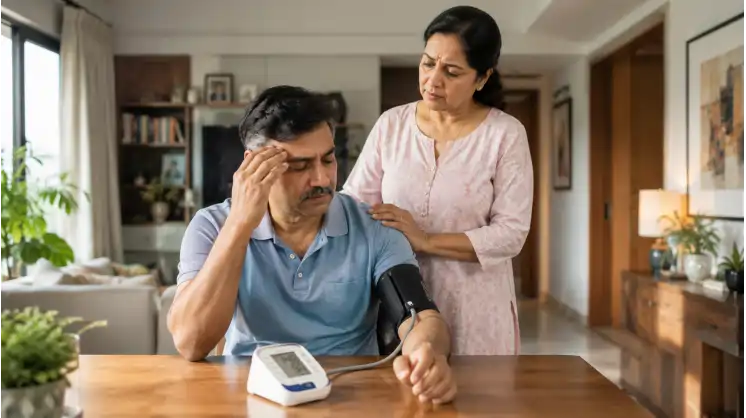
- Blood pressure cannot be measured from a blood sample
- Cardiac auscultation detects murmurs suggesting valvular disease
- Abdominal palpation identifies organomegaly
- Fundoscopy reveals hypertensive retinopathy
- Body composition assessment captures visceral adiposity that BMI alone misses
These are part of any well-constructed health checkup plan and add clinical information no laboratory panel provides.
Imaging that detects structural abnormalities
- Abdominal ultrasound identifies hepatic steatosis, gallstones, renal abnormalities, and aortic diameter.
- A chest X-ray identifies cardiomegaly and early pulmonary changes.
- ECG documents baseline cardiac electrical activity and can detect arrhythmias, left ventricular hypertrophy, and prior silent myocardial infarctions.
A longitudinal baseline A creatinine of 1.1 mg/dL in isolation means little. Rising from 0.85 to 0.95 to 1.1 over three years changes clinical decisions. A health checkup package done annually creates the data series that makes trend analysis possible.
When Are Regular Blood Tests Enough?
Regular blood tests are the right tool when the clinical question is specific and laboratory values capture the relevant information:
- Monitoring HbA1c quarterly in a patient with suboptimally controlled diabetes.
- Checking TSH six weeks after a levothyroxine dose adjustment.
- Following up liver enzymes after starting a statin.
- Interim monitoring between comprehensive assessments for patients with stable chronic conditions.
Choosing the Right Health Checkup Plan
A preventive health screening programme should be calibrated to age, family history, lifestyle risk factors, and occupational exposures not selected from a generic menu.
By age:
- 20s–30s: Core metabolic markers (glucose, lipids, thyroid, kidney, liver), blood pressure, BMI, CBC.
- Late 30s–40s: Add ECG, hs-CRP, full lipid subfractions, abdominal ultrasound for fatty liver baseline.
- 50+: Add cancer screening (PSA, CA125, mammography, colonoscopy) based on individual risk.
By risk factor profile: A patient with obesity, sedentary work, and a family history of diabetes needs a more comprehensive baseline than an age-matched patient who exercises regularly with a lean BMI. A diagnostic centre near me should take a risk-stratified approach rather than applying the same package to everyone in a given decade.
What to Expect from the Process
A well-structured assessment runs through the following:
- Registration capturing medical history, family history, medications, and lifestyle factors.
- Physical examination: blood pressure, heart rate, weight, height, waist circumference, cardiac and respiratory auscultation, abdominal palpation.
- Blood and urine sample collection under standardised fasting conditions.
- Imaging studies (ultrasound, X-ray) and ECG during the same appointment.
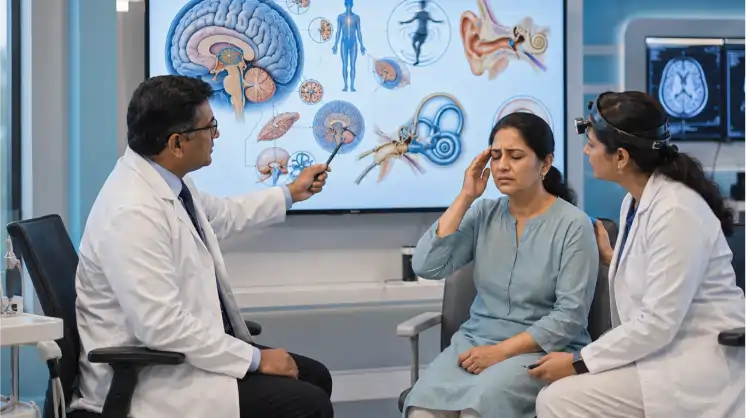
- Physician consultation that synthesises all findings and provides specific rather than generic recommendations.
The quality of the physician consultation at the end is what separates a meaningful preventive health screening assessment from a results report handed in an envelope.
Expert Tips
- Fast for 8–12 hours before blood samples. Accurate fasting glucose and triglycerides require a proper fast.
- Bring all previous test results the clinician needs the trend, not just current values.
- Disclose all medications, supplements, and herbal products biotin in particular causes falsely reassuring thyroid and cardiac marker results.
- Choose a diagnostic centre near by that includes a physician consultation, not just a results handover.
- Act on findings within two weeks. Abnormal results that are not followed up produce no health benefit.
- Schedule at the same time each year consistent timing allows year-on-year results to be directly compared.
Conclusion
Blood tests and health checks are a staple for preventative medicine. Blood tests are good for monitoring specific conditions, but a full body checkup provides a broader assessment of overall health and early disease risk. The right approach to choose will depend on your personal health goals, age and medical history. Regular disease screening and appropriate follow-up can help to identify disease earlier, improve treatment outcomes and promote better long-term health management.