Gallstones: When Is Surgery Required?
 25 Reads
 5 minutes read

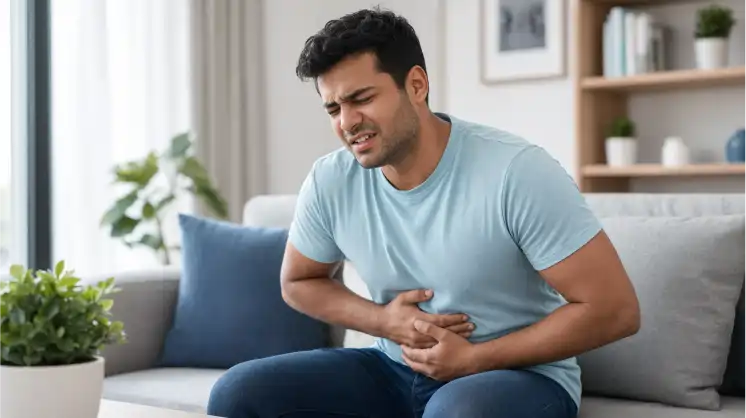
The first sign someone has gallstones is often a sharp stab of pain in the upper right belly after a heavy dinner. Many people have had gallstones for years without knowing it. Others end up in an emergency room with pain so bad they double over. It helps you understand what your doctor is telling you, especially the difference between “just monitor it” and “you need surgery.” If you are having pain after meals, the best general surgeon in Delhi will help you decide whether the gallstones need treatment or monitoring.
What Gallstones Are
Gallstones are hardened little deposits that form in the gallbladder, a small organ tucked under the liver that stores bile for digesting fat. They form when substances in bile, mostly cholesterol or bilirubin, crystallise and harden up. Size varies wildly, from a tiny grain of sand to something the size of a golf ball, and you might have just one or a whole handful at once.
There are two main types: cholesterol stones, the more common variety, and pigment stones, which form when there’s excess bilirubin around, often tied to liver disease or blood disorders.
Symptoms to Watch For
Many people with gallstones have no symptoms at all, which doctors refer to as “silent gallstones.” When symptoms do show up, they usually look like:
- Sudden, intense pain in the upper right or centre of the belly, often after a fatty meal
- Pain that radiates to the right shoulder or back
- Nausea, vomiting
- Bloating, indigestion
- Fever and chills, if infection has set in
- Yellowing skin or eyes, if a stone is blocking the bile duct
- Pale stools or dark urine, when the bile duct is obstructed
That classic attack of gallstone pain, called biliary colic, usually lasts anywhere from 30 minutes to a few hours and often follows a rich, fatty meal, because that’s precisely when the gallbladder contracts and pushes bile against the stone.
Who’s More Likely to Get Them
- Obesity, or rapid weight loss
- High-fat, high-cholesterol eating habits
- Being female, tied partly to oestrogen
- Being over 40
- A family history of gallstones
- Pregnancy
- Conditions like diabetes and liver disease
- Extended fasting or very low-calorie diets
There’s an old clinical shorthand doctors use: “female, fat, forty, and fertile”. It’s a memorable pattern, though obviously gallstones show up plenty outside those categories too.
How It’s Diagnosed, and When Surgery Comes In
Diagnosis typically starts with:
- An abdominal ultrasound, the main tool for spotting gallstones
- Blood tests checking for infection, inflammation, or bile duct blockage
- CT or MRI in some cases, for a closer look
- A HIDA scan to check how well the gallbladder is functioning
So when does surgery actually become necessary?
Not every stone comes out. Doctors often just watch silent, symptom-free stones. Surgery, specifically laparoscopic cholecystectomy, removing the gallbladder, is generally recommended when the following are true:
- Stones that cause recurrent or severe pain
- There is evidence of gallbladder inflammation.
- The stone has slipped into the bile duct and is causing blockage or jaundice.
- Risk of pancreatitis if the stone causes blockage of the pancreatic duct
- The gallbladder has become gangrenous or infected.
- The patient has some sort of condition like diabetes, where gallstone complications tend to hit harder.
If surgery is required, then gallbladder surgery in Delhi can be performed by removing the gallbladder laparoscopically, depending on the condition of the patient and the evaluation of the surgeon.
Why the Surgical Team You Choose Actually Matters
Gallbladder removal is a common procedure, but it genuinely benefits from being done by a surgical team that does it often and has reliable laparoscopic equipment on hand. Laparoscopic surgery in Delhi is a common procedure for gallbladder removal because it requires smaller incisions and generally results in a faster recovery than traditional open surgery. Experienced surgeons handle complications, like heavy inflammation or unusual anatomy, more smoothly, and they’re less likely to need to switch to open surgery mid-procedure, which usually means a shorter hospital stay and quicker return to normal life.
Prevention and Recovery Tips
Not every gallstone can be prevented, especially the ones tied to genetics, but a few things help:
- Lose weight gradually rather than crash dieting
- Eat a balanced mix of healthy fats, fibre, and reasonable portions
- Stay active
- Don’t skip meals or fast for long stretches
- After surgery, ease back into normal eating gradually, starting with lower-fat foods
- Stick to your surgeon’s guidance on activity limits while recovering
- Report fever, worsening pain, or jaundice after surgery to your care team right away
Conclusion
Gallstones are common, and plenty of cases stay silent and never need treatment. But symptomatic ones, and the complications they can trigger, often do need surgery for real, lasting relief. Getting an ultrasound early and understanding your results can help you decide what to do next. If you have recurrent stomach pain, especially after eating, a general surgery hospital in Delhi can provide you with the evaluation and surgical expertise that you need to determine the correct treatment approach.