Menopause and Hot Flashes: A Conversation Every Woman Should Have with Her Doctor
 26 Reads
 4 minutes read

By Dr Divya Kumari, Consultant Gynaecology, Pacific One Health, Karol Bagh
“Doctor, why do I suddenly feel so hot when everyone around me is comfortable? And why do I wake up in the middle of the night drenched in sweat?”
These are common concerns women share during menopause. While menopause is a natural stage of life, the symptoms associated with it can sometimes affect sleep, work, relationships, and overall quality of life. The good news is that effective menopause treatment options are available.
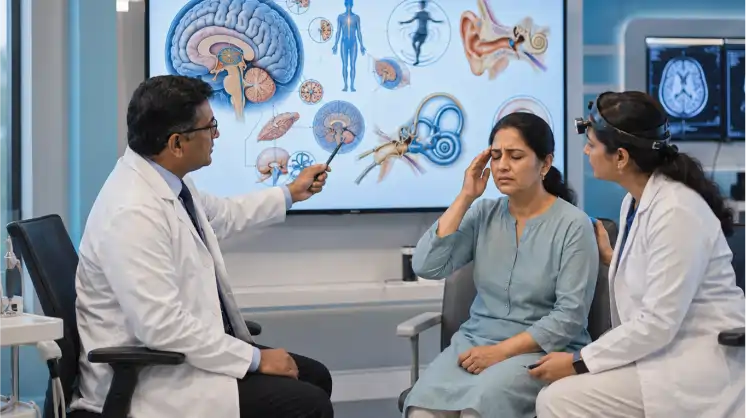
Let us understand menopause and its most common symptoms through a conversation between a patient and her doctor.
Patient: Doctor, what exactly happens during menopause?
Doctor: Menopause is a natural biological transition that marks the end of menstrual periods. It is diagnosed after a woman has gone 12 consecutive months without menstruation, provided there is no other medical cause. During this phase, the ovaries produce less estrogen, leading to changes that can affect several parts of the body.
Patient: Why do hot flashes and night sweats occur during menopause?
Doctor: These are called vasomotor symptoms (VMS), among the most common symptoms of menopause in women. Changes in estrogen levels affect the brain’s temperature-regulating centre, making it more sensitive to small changes in body temperature.
You may experience a sudden wave of heat, facial flushing, sweating, a racing heartbeat, or chills afterwards. When these episodes occur during sleep, they are called night sweats. They can disrupt sleep and leave you feeling tired, irritable, or less focused the following day.
Patient: Will menopause symptoms go away on their own?
Doctor: Symptoms vary considerably from woman to woman. Some experience only mild discomfort for a short period, while others have frequent or troublesome symptoms lasting several years. You do not need to simply endure them. If hot flashes or night sweats interfere with your daily life, it is worth discussing treatment options with your gynaecologist in Karol Bagh.
Patient: Doctor, what can I do to feel better without medication?
Doctor: Small, consistent changes may help you manage your menopause symptoms. Try the following:
* Keep your bedroom cool and wear light, breathable clothing.
* Identify possible triggers, such as spicy foods, hot drinks, alcohol, or excess caffeine, if these worsen your symptoms.
* Exercise regularly and maintain a healthy weight.
* Practise relaxation techniques, breathing exercises, or mindfulness to support emotional well-being.
* Maintain a regular sleep schedule and create a comfortable bedtime routine.
These measures can improve comfort and general health, although they may not completely control moderate to severe symptoms.
Patient: What are the Menopausal Hot Flashes Treatment Options?
Doctor: Yes. Menopausal hormone therapy (MHT) is the most effective treatment for bothersome hot flashes and night sweats. It can be considered for suitable women after reviewing their age, time since menopause, medical history, personal preferences, and individual risks.
Women who have a uterus generally need a progestogen along with systemic estrogen to protect the uterine lining. Women who have had a hysterectomy may often use estrogen alone, depending on their circumstances.
Hormone therapy is not suitable for everyone, so a personalised assessment is essential. The dose, route, duration, and need for follow-up should be discussed with your doctor.
Patient: What if I cannot take hormones or do not want to?
Doctor: You still have options. Certain prescription non-hormonal treatments can help reduce VMS. Depending on your symptoms and medical history, these may include selected antidepressants, gabapentin, or fezolinetant where available and appropriate. Each has potential benefits, side effects, and precautions, so treatment should be selected individually.
Patient: Is menopause only about hot flashes?
Doctor: Not at all. Menopause is also an important time to focus on bone strength, cardiovascular health, emotional well-being, and preventive screening. A balanced diet, weight-bearing exercise, adequate calcium and vitamin D, appropriate screening, and management of blood pressure, blood sugar, and cholesterol all contribute to long-term health.
Patient: Doctor, what is the most important thing women should remember?
Doctor: Menopause is a natural stage of life, not a disease. However, symptoms that affect your comfort and quality of life deserve attention. Unusual or heavy bleeding after menopause should always be evaluated promptly rather than assumed to be a normal menopausal change.
You do not have to suffer in silence. With the right information, timely consultation, and individualised care, hot flashes and night sweats during menopause can be managed effectively.
If hot flashes, night sweats, or other menopausal symptoms are affecting your quality of life, consult your gynaecologist in Delhi to discuss the treatment options best suited to you.