Why Do People Develop Swollen Legs? Causes You Should Know
 111 Reads
 5 minutes read

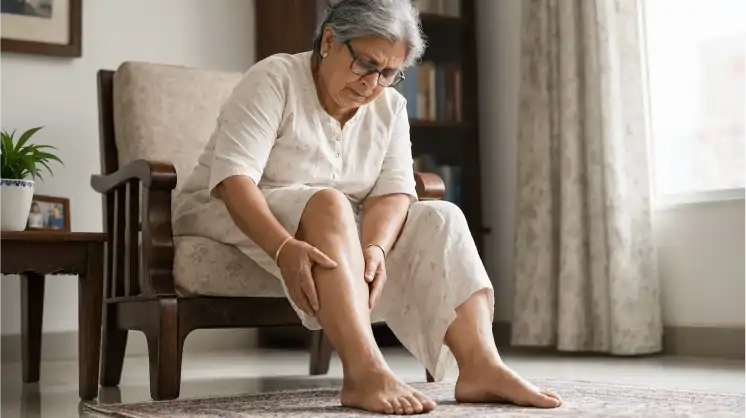
Puffy ankles after a long flight or a full day on your feet, most people have dealt with that at some point, and it’s usually nothing. When swelling persists, occurs in only one leg, or is accompanied by pain, it indicates a different issue that deserves attention. Here’s how to tell the difference between “just rest and elevate” and “get the issue checked”. If swelling is persistent or unexplained and is affecting your daily life, it needs to be treated with appropriate leg swelling treatment in Delhi, which will help you find the underlying cause and not just treat the swelling.
Where the Swelling Comes From
Leg swelling, or oedema, happens when extra fluid builds up in the tissue of your lower legs. The reasons range from completely harmless and temporary to genuinely serious. Broadly, causes fall into a few buckets: fluid retention from sitting or standing too long, circulation problems, and swelling tied to something going on with an internal organ.
The Usual Suspects
Circulation and vein-related:
- Chronic venous insufficiency, where the valves in your leg veins stop doing their job of pushing blood back up, so fluid pools
- Varicose veins
- Deep vein thrombosis (DVT), a blood clot deep in a leg vein, this one’s a medical emergency
- Peripheral artery disease, which can contribute to swelling alongside poor circulation
Lifestyle and temporary causes:
- Sitting or standing for long stretches, long flights, desk jobs
- Pregnancy, from increased blood volume and pressure on pelvic veins
- Too much salt, which encourages fluid retention
- Certain medications, some blood pressure drugs, steroids, anti-inflammatories
Underlying medical conditions:
- Heart failure, where a weaker heart backs fluid up into the legs
- Kidney disease, which throws off the body’s fluid and salt balance
- Liver disease, particularly cirrhosis, which can cause fluid retention throughout the body
- Lymphedema, from damage or blockage in the lymphatic system
- Infection or injury causing local swelling
Symptoms That Mean You Shouldn’t Wait
Mild swelling after a long day is generally harmless, but certain signs are worth acting on quickly:
- Swelling that shows up suddenly in just one leg, especially with pain, warmth, or redness, which can point to a clot
- Swelling with shortness of breath or chest pain
- Skin that looks stretched or shiny, or that pits (leaves a dent) when you press on it
- Swelling that doesn’t get better with rest and elevation
- Swelling paired with unexplained weight gain
- Signs of infection, growing redness, warmth, or fever
Sudden, one-sided swelling with pain and warmth is treated as an emergency, since it can mean a deep vein thrombosis, and clots like that carry a real risk of travelling to the lungs if left untreated.
Figuring Out the Cause
The diagnosis typically begins with:
- Detailed History & Physical Examination
- Blood tests to check how well your kidneys, liver and heart are working
- Doppler ultrasound to look for clots or venous insufficiency
- Echocardiogram if heart failure suspected
- Urine tests to check kidney function and protein levels
The treatment depends entirely on the cause of it:
- Compression stockings and elevation and sometimes minor vein procedures are used to treat venous insufficiency and varicose veins
- DVT requires prompt blood-thinning medication to prevent the clot from growing or moving
- If the swelling is due to heart, kidney or liver problems, the underlying organ problem is treated, usually with the appropriate specialist involved, often with diuretics to reduce fluid buildup
- Lymphedema is treated with specialised compression therapy and physical therapy.
- Lifestyle-driven swelling often gets better just by cutting salt, moving more, and raising your legs
The right edema treatment in Delhi depends on whether the swelling is due to veins, the lymphatic system, lifestyle or an underlying medical condition. Therefore, part of the treatment is to identify the cause first.
Why This Often Needs More Than One Specialist
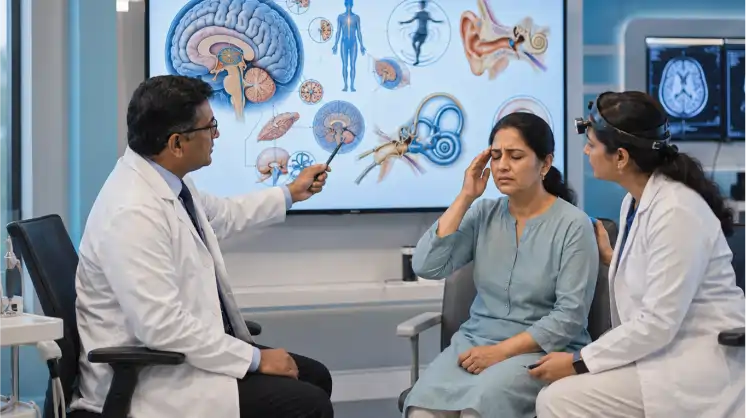
Leg swelling can trace back to so many different systems, veins, heart, kidneys, liver, that getting to the actual cause often takes a coordinated effort. The best vascular specialist in Delhi can handle venous causes directly, but having cardiology, nephrology, and hepatology available at the same hospital means swelling tied to organ issues gets identified and treated promptly, instead of bouncing between disconnected providers. This kind of integrated care matters especially for elderly patients, who often have several contributing factors happening at once.
What Helps
- Don’t sit or stand for too long at a stretch, get up and move every hour or so
- Elevate your legs above heart level when resting, if that’s appropriate for your condition
- Cut back on salt
- Stay active with regular walking or leg exercises
- Wear compression stockings if your doctor recommends them, especially for long travel
- Stay hydrated, counterintuitive as it sounds, dehydration can actually contribute to fluid retention too
- Keep an eye on your weight if you have a history of heart or kidney issues, since sudden gains can signal fluid buildup
- Get sudden, one-sided swelling checked immediately, especially with pain or warmth
Conclusion
Swollen legs can be as minor as a long flight catching up with you or a genuine warning sign about your heart, kidneys, liver, or veins. Knowing what separates ordinary swelling from something urgent can help you avoid serious complications later on. If your swelling is persistent, getting worse, one-sided, or accompanied by pain or breathlessness, a best multispeciality hospital in Delhi can provide access to the relevant specialists and diagnostic services needed to investigate the cause properly.