Winter Heart Attack Symptoms: Early Warning Signs, ECG Tests and Emergency Cardiac Care
 51 Reads
 5 minutes read

Introduction
Heart attacks do not distribute evenly across the calendar. Cardiologists consistently see higher rates of acute myocardial infarction in winter months, and the pattern is not random cold weather triggers a cascade of physiological changes that collectively raise the risk of plaque rupture and arterial blockage. Recognising the early warning signs of a cardiac event in winter, understanding why some symptoms look different in the cold, and knowing that an ECG at a facility offering heart attack treatment in South Delhi can detect changes that cannot be assessed by symptoms alone all of this can genuinely determine whether a heart attack results in recovery or permanent damage.
Why Winter Increases Heart Attack Risk
Several mechanisms converge in cold weather to stress the cardiovascular system. Blood vessels constrict in response to cold, raising blood pressure and increasing the workload on the heart. Blood viscosity increases blood becomes thicker and more prone to clotting. Platelets become more adhesive. Stress hormones released in response to cold promote arterial inflammation. In someone with existing coronary artery disease, narrowed arteries from atherosclerotic plaque, this combination can trigger plaque rupture and the clot formation that blocks an artery and causes a heart attack.
Activities that are common in Delhi winters compound the risk further. Strenuous morning exercise in cold air is something many people resume in October after the heat of summer, placing acute demand on a cardiovascular system already under thermal stress. Early morning hours, when temperatures are lowest and cortisol levels are highest, are the peak time for cardiac events.
Early Warning Signs of a Heart Attack in Winter
The classic presentation crushing central chest pain radiating to the left arm is real but not universal. Many cardiac events, particularly in winter and in women and people with diabetes, present atypically.
Classic symptoms
- Central chest pain, pressure, tightness, or heaviness often described as something sitting on the chest
- Pain radiating to the left arm, jaw, neck, or back
- Breathlessness, sometimes without prominent chest pain
- Sweating that appears cold and clammy
- Nausea or vomiting alongside chest discomfort
- A sense of impending doom patients often describe a feeling that “something is seriously wrong”
Atypical symptoms — particularly common in women and diabetics
- Unusual fatigue lasting days before the event not explainable by activity level
- Upper abdominal discomfort or indigestion that doesn’t respond to antacids
- Jaw or throat discomfort without chest pain
- Unexplained anxiety or restlessness
- Back pain between the shoulder blades
The critical mistake is waiting to see whether chest discomfort resolves. A heart attack is a time-sensitive emergency the amount of heart muscle that can be saved is directly proportional to how quickly the blocked artery is opened. “Time is muscle” is not a slogan; it is the clinical reality that determines outcomes.
How Can I Tell If Chest Pain in Winter Is a Heart Attack?
The honest answer is that chest pain cannot be reliably distinguished from a cardiac cause by symptoms alone not by the patient, and not always by a doctor without investigation. Chest pain in winter is more likely to be cardiac in someone with known coronary artery disease, hypertension, diabetes, or a smoking history, and more concerning when it is associated with breathlessness, sweating, or radiation to the arm or jaw. But even in younger patients without these risk factors, a new chest pain that persists beyond fifteen to twenty minutes deserves ECG assessment, not a wait-and-see approach.
An ECG electrocardiogram records the electrical activity of the heart and can identify changes consistent with a heart attack, an acute ischaemic episode, or rhythm abnormalities within minutes of being done. The most important first investigation for chest pain of uncertain cause is an ECG test near me in Delhi at a facility with trained staff to interpret it.
What to Do If You Suspect a Heart Attack
- Call for emergency transport: do not drive yourself or ask someone untrained to drive; call an ambulance or have someone drive you to the nearest cardiac facility
- Note the time symptoms began: this information determines which treatment options are available
- Chew one regular aspirin (325mg) if available and not contraindicated: this reduces platelet aggregation and can limit clot extension
- Stay as still and calm as possible: physical exertion worsens cardiac demand during an active event
- Do not eat or drink: emergency procedures require fasting
ECG and Emergency Cardiac Assessment
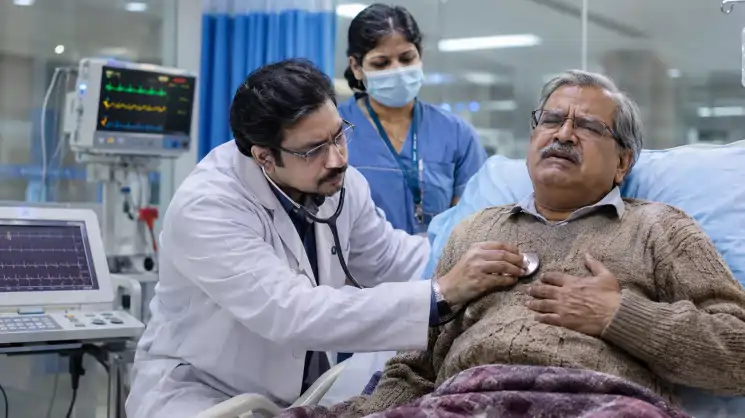
At a cardiac emergency facility, an ECG is performed within minutes of arrival. Blood tests for troponin in particular are drawn to detect the protein released by damaged heart muscle. If the ECG shows an ST-elevation myocardial infarction (STEMI), emergency reperfusion, either through clot-dissolving medication or catheter-based intervention to open the blocked artery, is initiated as rapidly as possible. The best cardiologist in Lajpat Nagar, Delhi, who manages acute coronary syndromes will coordinate this pathway from arrival through intervention and post-event management.
Conclusion
Winter cardiac events are more common, more likely to present atypically, and most dangerous when patients delay seeking assessment. The decision to go to a cardiac facility immediately rather than waiting at home should happen at the first sign of sustained chest discomfort, breathlessness, or the physical feeling that something is wrong. Pacific OneHealth in South Delhi provides cardiac assessment, including ECG, troponin testing, and specialist cardiologist consultation. For anyone experiencing chest pain this winter, reaching the best cardiologist in Lajpat Nagar Delhi instantly is the most important step. So visit Pacific OneHealth