You’re eating less. So why are you still tired, hungry and not feeling your best?
 132 Reads
 4 minutes read

This National Nutrition Week, perhaps it’s time to stop counting calories and start asking what your body actually needs.
By Dt Lavanya Gupta,
“But I’m eating less. Why am I still so tired?”
It’s a question I hear more often than you might think. You’ve cut down on rice. You’ve stopped having dessert. You’re checking calories before eating anything. You may even have an app telling you exactly how many calories you’ve consumed today.
And yet, you’re hungry again by 5 pm. You feel drained halfway through the day. Your concentration isn’t what it used to be. Your workouts aren’t going as planned. And despite all that effort, you still don’t feel your best.
So, you do what many people do.
You eat even less. But what if that isn’t the answer? What if your body isn’t simply asking for fewer calories? What if it is asking for better nutrition?
Your body doesn’t run on calories alone
Calories tell you how much energy food provides. They don’t tell you whether your meal gave your body enough protein, fibre, vitamins, minerals or healthy fats.
Think about it.
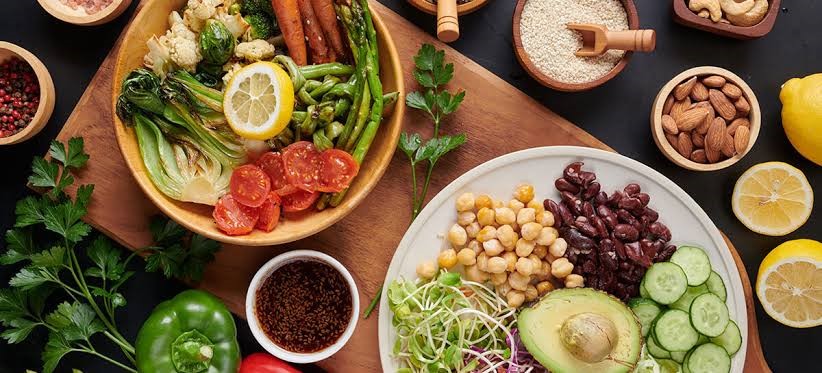
You can have a calorie-controlled meal that leaves you hungry an hour later. You can also have a balanced meal containing protein, vegetables, fibre-rich carbohydrates and healthy fats that keeps you satisfied for much longer.
The calorie number matters.
But it isn’t the whole story.
This is where many people get trapped. They become so focused on the number on their food app that they forget to ask what is actually on their plate.
“But I want to lose weight. Isn’t eating less the point?”
Not quite. Healthy weight management isn’t simply about eating as little as possible.
If your diet constantly leaves you hungry, exhausted or deprived, it becomes difficult to sustain. Monday starts with motivation. By Wednesday, you’re hungry. By Friday, you’re frustrated. By Saturday, you’re eating everything you’ve been avoiding. Then comes the guilt.
And on Monday, the cycle starts again.
That’s not necessarily a failure of willpower. Sometimes, it’s a sign that your approach needs to change.
A sustainable diet should nourish you while fitting into your real life — your work, family, routines, preferences and health needs.
So, what should you count instead?
The next time you look at your plate, don’t ask only:
“How many calories are here?”
Ask:
Where is my protein? Where are my vegetables and fibre? Am I getting enough variety? Will this meal actually keep me satisfied? Can I realistically eat this way six months from now?
These questions shift the conversation from restriction to nourishment.
Because your body isn’t a spreadsheet.
It needs energy, but it also needs the nutrients that support everyday functions, from muscles and digestion to immunity and overall wellbeing.
This National Nutrition Week, count something different
National Nutrition Week is a timely reminder that nutrition isn’t about following whichever diet is trending online.
It isn’t about fearing carbohydrates. It isn’t about eliminating everything you enjoy.
And it certainly isn’t about feeling guilty every time you eat something that isn’t labelled “healthy”.
Good nutrition is about understanding what your body needs — and finding a way to give it consistently.
So yes, calories can matter when you’re working towards a particular health or weight goal.
But don’t stop there. Count your protein. Count your fibre. Count the variety on your plate. And pay attention to how your body feels. Because the goal isn’t simply to eat less.
The goal is to be better nourished.
So, before you enter your next meal into that calorie-counting app, pause for a second.
Ask yourself:
“Am I simply staying within my calorie limit — or am I actually giving my body what it needs?”
This National Nutrition Week, that may be the most important question on your plate.
Nutrition needs vary from person to person. If you have a medical condition, are taking medication, are pregnant, or have specific dietary requirements, seek personalised advice from a qualified healthcare professional or dietician.
(The author is Senior Nutritionist at Pacific OneHealth, New Delhi)