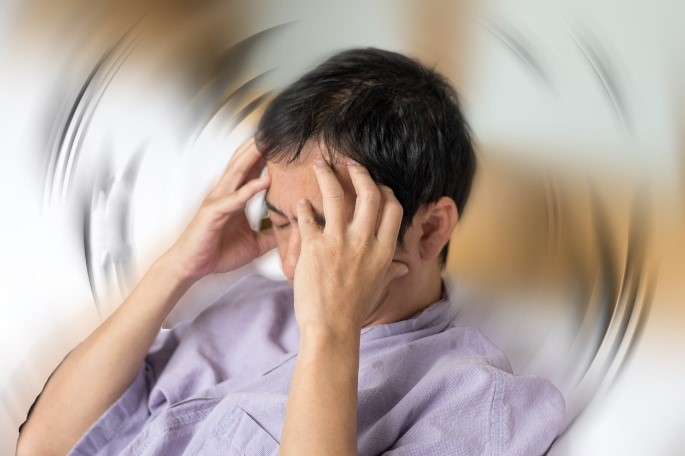
Winter Dizziness When Standing Up: Low Blood Pressure, Vertigo or an Inner Ear Problem?
 19 Reads
 5 minutes read

Introduction
Dizziness when standing up seems like a minor inconvenience until it causes a fall, and in winter in Delhi, where cold floors, rugs that slide, and reduced agility from heavy clothing all contribute, a fall from dizziness carries real consequences. The symptom of feeling lightheaded or unsteady on rising from a chair or bed is common, but it has several distinct causes that respond to entirely different treatments. Getting a proper assessment for vertigo treatment in Delhi, which covers the full spectrum of dizziness rather than just spinning sensations, starts with distinguishing between these causes rather than treating them interchangeably.
The Three Most Common Causes of Dizziness When Standing
Orthostatic hypotension — low blood pressure on standing
Orthostatic hypotension is a drop in blood pressure that occurs within three minutes of standing from a sitting or lying position. Normally, the body compensates for the gravitational shift by constricting blood vessels and increasing heart rate to maintain blood flow to the brain. When this compensation is inadequate, blood pressure falls, cerebral blood flow drops momentarily, and the result is lightheadedness, visual dimming, or near-fainting. In winter the phenomenon is more common for several reasons: dehydration is underestimated because thirst signals are blunted in cold weather, and blood pressure medications that control hypertension may be somewhat over-effective given that ambient cold raises baseline BP independently.
The symptom is classically brief, lasting only the few seconds it takes for the compensatory response to kick in. A person describing orthostatic hypotension until proven otherwise feels dizzy for exactly as long as it takes to stand up and then feels fine.
BPPV — Benign Paroxysmal Positional Vertigo
BPPV is the most common cause of true vertigo. The spinning sensation, rather than the lightheadedness of low blood pressure. It occurs when calcium carbonate crystals in the inner ear dislodge from their normal position and enter one of the semicircular canals, disrupting the fluid signals that tell the brain about head position. The result is a brief but intense spinning sensation triggered by specific head movements lying down, rolling over in bed, or looking up. BPPV is significantly more common in winter, possibly because viral inner ear infections which are more frequent in cold weather can dislodge these crystals. The best vertigo specialist in Delhi can diagnose BPPV at the bedside with a specific positional test and treat it in the clinic with a particle repositioning manoeuvre no medication or imaging is required in straightforward cases.
Vestibular neuritis and labyrinthitis
A viral infection affecting the vestibular nerve (vestibular neuritis) or the inner ear itself (labyrinthitis) produces a sudden onset of severe vertigo lasting days, often following a respiratory infection. It typically begins as a single prolonged dizzy episode rather than brief positional attacks. Nausea and vomiting are prominent. The acute episode subsides in a matter of days to weeks, but some of the patients have ongoing imbalance issues for months while the brain adjusts to the different signals coming from the vestibular organ. Vestibular rehabilitation in Lajpat Nagar is the only effective long-term treatment for the remaining balance problems, involving a course of exercises that will allow the brain to relearn how to process balance information properly.
Why Do I Feel Dizzy When I Stand Up in Winter?
The most likely explanation in most adults is orthostatic hypotension, particularly if the dizziness is brief, occurs specifically on standing, and is worse on cold mornings when getting out of bed. Dehydration, blood pressure medications, and the haemodynamic effects of cold all contribute. However, any dizziness that is accompanied by spinning, nausea, hearing loss, tinnitus, or neurological symptoms such as weakness, speech difficulty, or double vision requires a more thorough assessment to exclude central causes, including TIA and posterior circulation stroke, which can also present with dizziness.
Warning Signs That Need Urgent Neurological Assessment
- Sudden severe dizziness with headache particularly at the back of the head
- Dizziness with double vision, speech difficulty, or weakness on one side
- Inability to walk or stand without falling
- Dizziness following head or neck trauma
- New hearing loss alongside vertigo
- Dizziness that is constant rather than episodic and worsening over days
How Dizziness Is Assessed and Treated
Clinical assessment includes blood pressure measurement lying and standing to identify orthostatic hypotension, along with a neurological examination, Dix-Hallpike positional testing for BPPV, and hearing assessment where relevant. Blood tests assess anaemia, thyroid function, and blood sugar. Imaging is reserved for cases where a central cause is suspected. Most inner ear causes of dizziness are diagnosed clinically without the need for MRI. Treatment ranges from particle repositioning for BPPV to medication adjustment for orthostatic hypotension to vestibular rehabilitation for chronic unsteadiness.
Conclusion
Dizziness on standing in winter should not be managed indefinitely by getting up slowly and hoping it will improve. The cause determines the treatment, and the right diagnosis leads to specific and effective treatments. Pacific OneHealth in South Delhi provides specialist assessment for vertigo, dizziness, and balance disorders, with vestibular testing and rehabilitation available for patients with ongoing unsteadiness. For anyone experiencing recurrent dizziness this winter, the best vertigo specialist in Delhi at Pacific OneHealth can provide the assessment and treatment plan that self-management cannot.